Pack Light, Shoot Big: The Ultimate Three-Prime Travel Capsule

Why Primes Win on the Road
Clarity Over Compromise
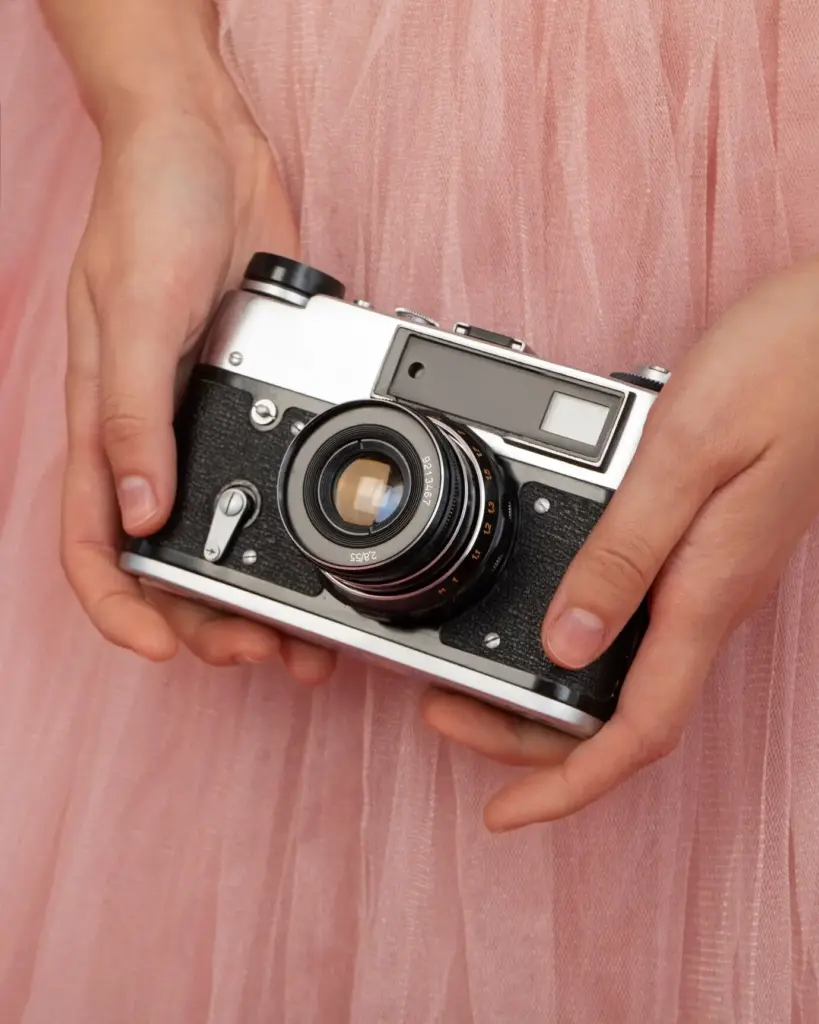
By committing to primes, you gain consistent optical quality and predictable rendering across your set. The look of your images becomes cohesive, editing gets easier, and color matching is simpler. That reliability reduces friction in the field, especially when shooting fleeting scenes or negotiating tricky light at sunset.
Less Gear, More Moments
A lean kit invites spontaneous detours and unplanned friendships. You will walk farther, slip through crowds, and remain welcome in intimate spaces because your footprint feels respectful. The result is access, and access becomes authentic photographs that reflect patience, kindness, and travel’s gentle give-and-take between visitor and host.
Creative Constraints That Liberate
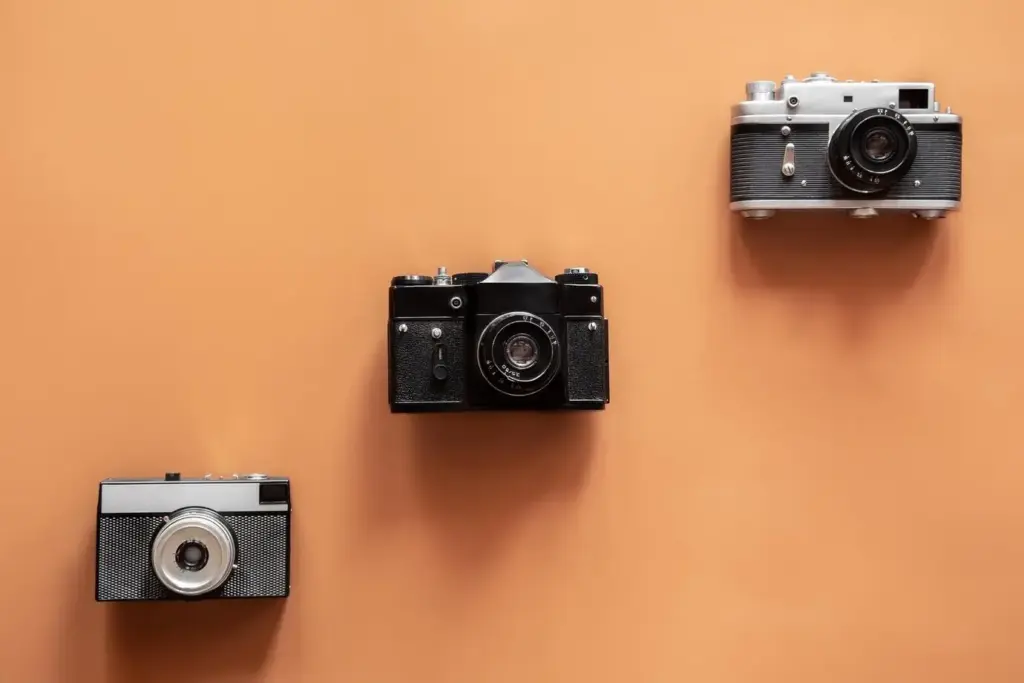
Standing still to zoom with your feet forces stronger choices: foreground, leading lines, and meaningful backgrounds. Limitations nurture style, teaching you to anticipate light and distance. Many photographers credit fixed lenses with developing a recognizable voice that invites collaboration, commissions, and sustained creative momentum after the trip.

Weight, Size, and Budget: Making Smart Trade-Offs
01
Aperture vs. Mass: f/1.4, f/1.8, or Pancake?
Fast glass invites beautiful blur but punishes shoulders. For travel, f/1.8 or f/2 often delivers enough light and character at half the weight and cost. Pancakes shine for stealth and space. Test handheld shutter limits, and remember stabilization, higher ISO, and thoughtful timing solve many evening scenes elegantly.
02
Build Quality, Weather Sealing, and Repairs Abroad
Dust, heat, rain, and sand find their way into every buckle and seam. Prioritize lenses with decent sealing and hoods, and carry a filter for grit-prone journeys. Know local service centers or rental houses, and pack microfiber cloths, a rocket blower, and a tiny screwdriver for emergencies.
03
Rent, Buy Used, or Share: Money-Saving Paths
If a lens only matters for one trip, rent it and travel insured. Buying used stretches budgets further, especially with reputable dealers offering warranties. Traveling with friends? Coordinate focal lengths and share. The savings can finance guided excursions, museum passes, or a workshop that levels up your craft.
Packing Tactics That Protect and Speed You Up
Field Techniques to Get the Most From the Trio
Previsualize Focal Lengths With Your Feet
Before lifting the camera, frame with your hands and step forward or back to feel each lens’s reach. Decide on horizon placement, subject distance, and background relationships. When the camera comes up, you already know the shot, reserving full attention for expression, timing, and the dance of light.
Low-Light Masters: ISO Strategy and Stabilization
Lean on modern sensors and expose generously without fear. Use auto ISO with sensible caps, stabilize with walls, breath control, or a compact tabletop tripod, and time shots between footsteps. Embrace grain’s texture to preserve mood, and reserve the widest aperture for portraits, rituals, and intimate restaurants.
Real-World Capsule Recipes for Popular Systems
Share Your Capsule and Join the Journey
All Rights Reserved.