Start Smart: What to Look For Before You Buy

Before spending a dollar, focus on what will actually matter on the road: total carry weight, battery life, stabilization, autofocus reliability, and lens versatility. Lightweight bodies paired with compact lenses reduce fatigue, while dependable autofocus and simple controls keep you focused on moments, not menus. Look for good low-light performance, comfortable grips, and charging flexibility, because your next great shot might be three flights, two buses, and a cobblestone climb away from your charger.

Weight and Size That Truly Matter

Numbers on a spec sheet tell only part of the story. Consider the combined weight of body, lens, battery, strap, and even the bag. A compact APS-C or Micro Four Thirds body under 500 grams with a light zoom feels manageable all day. Try holding the camera at eye level for a minute; if your shoulders complain, your sightseeing stamina will too. Packability and comfort beat marginal speed advantages when you are climbing hills or racing sunsets.

Image Quality Without the Bulk

You do not need a heavy full-frame body for memorable travel photos. Modern APS-C and Micro Four Thirds sensors around 16–26 megapixels deliver clean files, solid dynamic range, and flexible RAW editing latitude. Good glass matters more than chasing megapixels, especially when you are shooting handheld in mixed light. Aim for lenses known for sharpness and minimal distortion. Balanced kits let you capture street scenes, interiors, and landscapes without carrying unnecessary weight or blowing your budget.

Clever Lens Combos for Every Journey
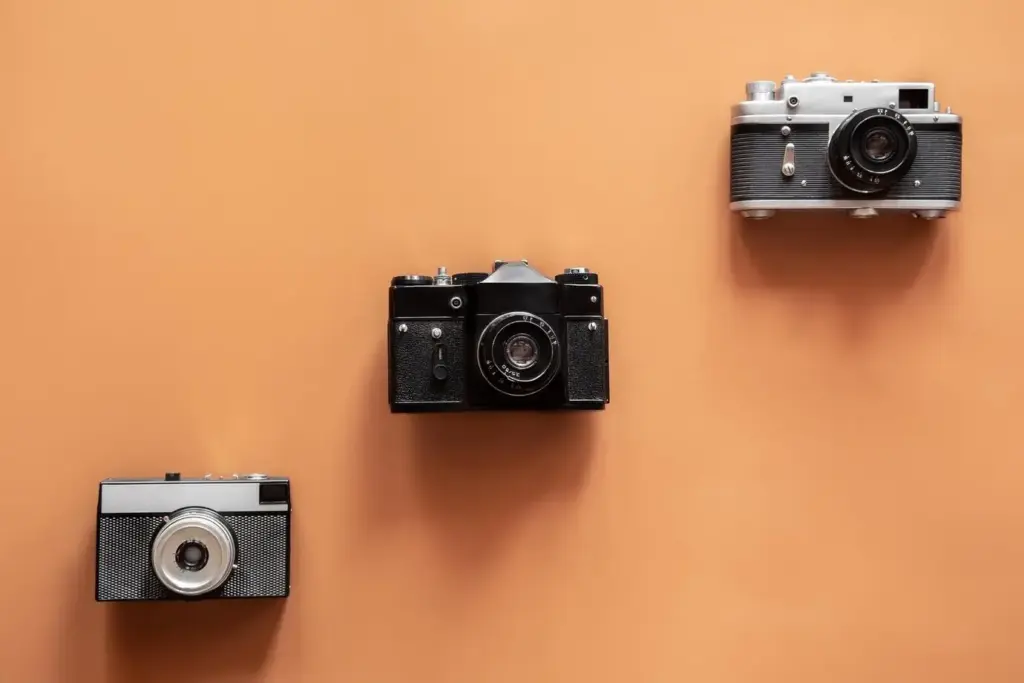
The right lens pairing turns a modest camera into a flexible travel companion. Decide whether you prefer one-lens simplicity or a small two-lens kit for added reach and low-light capability. Compact zooms cover everyday scenes effortlessly, while a small fast prime invites glowing evening portraits and cozy café interiors. Consider your destinations and shooting style, then choose combinations that balance range, brightness, and minimal weight so your bag stays light and your creativity stays unlimited.

One-Lens Simplicity: Versatile Zoom

A lightweight 16–50mm or 18–55mm equivalent keeps things easy, covering wide cityscapes, casual portraits, and quick food shots without lens changes. The convenience encourages spontaneous photography, especially when weather shifts or crowds surge. Although not the brightest, modern kit zooms are sharp, stabilized, and surprisingly capable. Pair with careful timing and steady technique for clean results in most daylight situations. When baggage limits are tight, a single compact zoom can be the difference between taking the camera or leaving it behind.

Two-Lens Flexibility: Wide Plus Fast Prime

Combine a tiny wide-angle zoom, like a 10–18mm or 12–32mm equivalent, with a fast 35mm or 25mm prime for versatile storytelling. The wide lens handles architecture, interiors, and dramatic scenery, while the prime shines at dusk and creates pleasing background blur. This setup remains light yet unlocks creative control in low light. You will switch lenses occasionally, but each swap brings a new visual language. Practice quick changes at home to keep your rhythm smooth on busy streets.

Accessories That Earn Their Space

Travel accessories should justify every gram. Prioritize extra batteries, fast memory cards, a tiny tripod or clamp, a reliable strap, and cleaning tools. Look for dual-purpose items: a power bank that charges your camera, a microfiber that also shades your screen, or a clip that secures your hat and supports your camera. When each accessory does real work, you carry less, move faster, and spend more energy noticing light, color, and connection wherever you roam.

Power and Memory You Won’t Regret Packing

Bring two or three batteries and a compact charger that accepts USB-C, enabling top-ups on trains or cafés. High-speed, UHS-I cards with ample capacity reduce mid-day swaps and lower the risk of missed moments. Rotate cards daily and back up frequently to a phone or small SSD. A slim power bank supports your camera, phone, and even a lightweight LED. This tiny power ecosystem keeps you shooting when sunset colors explode and your hotel is still miles away.

Support and Stability in Tight Spaces

A mini tripod, tabletop support, or clamp can outperform heavier legs in crowded locations. Set up on railings, café tables, or benches for steady night scenes and self-portraits. Combine a small ball head with a phone holder for quick behind-the-scenes video. Practice low, braced stances to complement your support. You will capture cleaner images at slower shutter speeds, stretch your ISO lower, and create time-lapses or group photos without asking a stranger to hold your precious gear.

Carry Systems That Save Your Shoulders

A comfortable cross-body strap or small sling bag distributes weight and keeps your camera ready. Choose breathable materials, quick-adjust sliders, and secure closures for crowded transport. Use soft pouches or lens wraps to prevent clatter and scratches inside your bag. Packing cubes separate layers and protect gear from snacks or sunscreen. When your carry system fits your body and habits, you spend less time fiddling and more time noticing reflections, expressions, and fleeting stories in changing light.

Real-World Kits at Real-World Prices

Let’s translate ideas into practical bundles you can actually carry and afford. These examples mix accessible bodies with compact lenses and a few hardworking accessories. Exact prices vary by region and sales, but the focus remains clear: light, reliable, and ready for travel. Adjust to your mount or brand preference while keeping the spirit intact. Use these as templates, then share your adaptations, wins, and surprises so others learn from your journeys and your shoulder-saving choices.

Practice Plans to Grow Fast

A thoughtful routine makes a modest kit feel magical. Build muscle memory at home so travel days feel effortless. Create mini-assignments that target focus modes, exposure compensation, and low-light confidence. Weave editing practice into your week, and treat packing like a rehearsal. When you finally step into a foreign street or a misty trail, your hands and eyes will work together smoothly, leaving more energy for stories, serendipity, and conversations with locals you will never forget.

Stories from the Road to Inspire Your First Trip
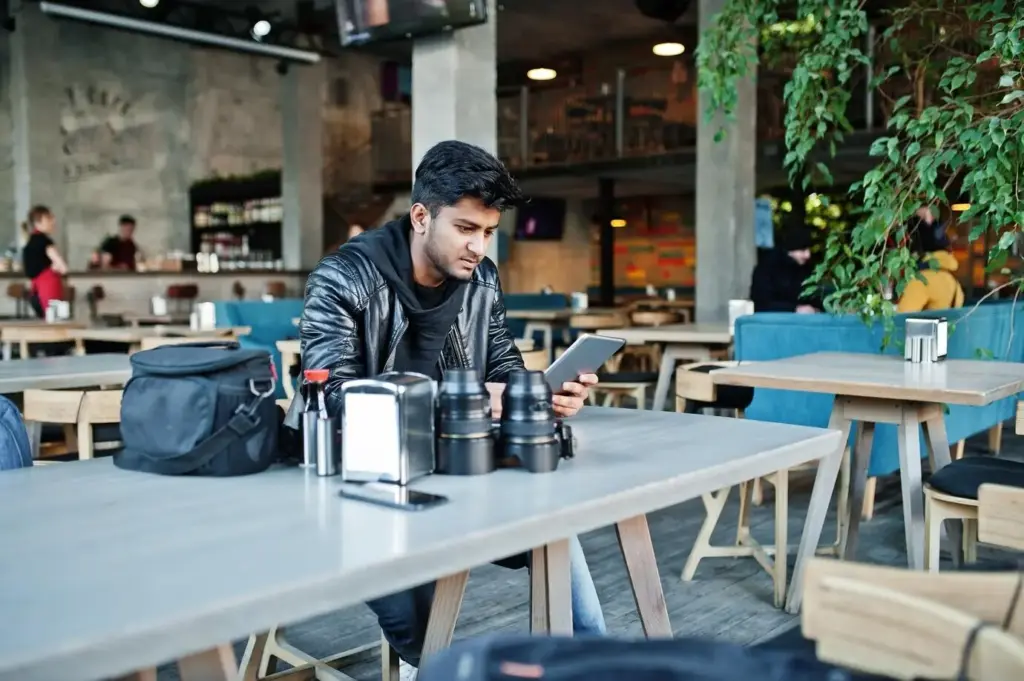
Real experiences reveal what specifications cannot. Small, budget-conscious kits help you stay present, meet people, and react to changing weather without fuss. These travel moments show how simple gear plus clear intention creates photographs that hold feeling. Let them encourage you to choose lightly, pack thoughtfully, practice beforehand, and then say yes to detours. Share your own lessons in the comments, because your solutions and missteps will guide the next traveler beginning their photographic adventure.

The Lisbon Staircase Lesson

I landed in Lisbon carrying too many lenses and a heavy bag that thumped my hip on every staircase. By afternoon, I left most gear in the hostel and kept one compact zoom. Suddenly, I moved faster, chatted with locals, and framed scenes without second-guessing. The resulting photos felt cohesive, full of repeating colors and lines. Sometimes less choice means more attention. Your best gallery might begin the moment you decide to carry only what you actually use.

Rain on the Kyoto Alleyway

A sudden shower forced me under a lantern-streaked awning. I wrapped the camera in a hotel shower cap and used the brim of my hat as a makeshift hood. With stabilization and a fast prime, I kept shutter speeds handholdable and ISO reasonable. The rain deepened colors, reflections sparkled, and strangers smiled from doorways. Cheap improvisation protected the kit; patience protected the mood. When conditions change, adapt gently and let the weather paint your frame with texture.
Sarivelantoxa
Privacy Overview

This website uses cookies so that we can provide you with the best user experience possible. Cookie information is stored in your browser and performs functions such as recognising you when you return to our website and helping our team to understand which sections of the website you find most interesting and useful.